WATCH NOW: Special Open Forum – Indonesia’s Response to the Global Energy Crisis on April 23, 2026
Global fuel, energy, and energy-related prices have spiked following the outbreak of the war with Iran and the closure of the Strait of Hormuz. These increases adversely affect a broad range of industries, including agriculture, transportation, and fertilizer. These issues come while countries grapple with weakened currencies, strained budgets, and maintaining economic growth.
Because of their dependence on imported energy, Indonesia and other Asian economies have been immediately affected. Unlike some of its neighbors, Indonesia has not declared a national energy emergency, and has reassured its population that its energy supply is stable. Indonesia’s government said it is prepared to keep energy prices steady, but rising subsidies on fuel are taking a toll on Indonesia’s budget. To conserve energy supplies, Indonesia has announced fuel rationing and mandatory work-from-home for civil servants.
As nearly 20% of Indonesia’s oil imports originate from the Middle East and transit through the Strait of Hormuz, Indonesia is seeking to diversify its external suppliers. President Prabowo has reached out to existing partners such as South Korea and Japan to shore up its energy reserves, signing $22 billion in agreements with Japanese businesses for oil, gas, methanol, and geothermal power. He also recently met with President Putin about access to Russian oil, gas, and fertilizer. Indonesia has been giving renewed attention as well to diversifying energy supply through more secure domestic energy sources, including coal and green energies.
Our USINDO Special Open Forum will take stock of the effects of the energy crisis on global markets and Indonesia in particular. The panel will analyze the current state of energy security and assess Indonesia’s current energy policies in light of supply and price pressures. Panelists will discuss how Indonesia is coping with the volatile energy market, assessing its approaches and options. Discussants will also review the crisis’ impact on Indonesia’s plans for national energy resilience to ward off future shocks from global energy supply disruptions.
We are fortunate to have an excellent panel to inform us on these issues and take our questions:
Clayton Seigle is an energy industry analyst and senior fellow at the Center for Strategic and International Studies (CSIS) in Washington DC. He will provide a strategic overview of the state of energy security and the impact of energy disruptions on the global economy.
Pak Satya Widya Yudha is a member of the National Energy Council of the Republic of Indonesia. He served as Vice Chairman of Commission I of the Indonesian House of Representatives overseeing defense, foreign affairs, communication, informatics and intelligence and as Vice Chairman of Commission VII overseeing energy, mineral resources, environment, forestry, research and technology. He chairs the Green Economy and Alternative Energy Caucus (GEC) of the House of Representatives. Pak Satya holds a master’s in Oil & Gas Project Quality Management and a PhD in Energy & Power from Cranfield University in the U.K.
Pak Heriyanto Irawan is a member of Indonesia’s National Economic Council, which advises President Prabowo on accelerating strategic and priority economic policies and programs. He is also an analyst at Verdhana Sekuritas Indonesia, which he co-founded. Previously, he was a fund manager with HSBC Asset Management in Hong Kong and at Jardine Fleming and he held senior roles Merrill Lynch and UBS. In 2004, he co-founded a joint venture with Deutsche Bank called Deutsche Verdhana Indonesia. He holds a bachelor’s degree in mathematics from City University, London, and a master’s degree in finance from City Business School, London.
Randi Bachtiar is the Institute for Energy Economics and Financial Analysis (IIEFA’s) Energy Finance Specialist for Indonesia. Before joining IEEFA, Randi worked with the USAID Sustainable Energy for Indonesia’s Advancing Resilience (SINAR) program, where he supported government stakeholders through financial modeling, tariff competitiveness analysis, and technical and strategic planning discussions to inform energy policy and decision-making.
Full Biography of Speakers:

Clayton Seigle is a senior fellow in the Energy Security and Climate Change Program at the Center for Strategic and International Studies (CSIS) and holds the James R. Schlesinger Chair in Energy and Geopolitics. Previously, Clay led the Global Oil Service at Rapidan Energy Group and served in analytical and leadership roles at Vortexa, Genscape, Maxar, IHS, Enron, and the U.S. Department of Energy. He serves on the Board of Directors at the Houston Committee on Foreign Relations and is a past vice president of the U.S. Association for Energy Economics. Clay holds a master’s degree in international relations and economics from the School of Advanced International Studies at Johns Hopkins University and a bachelor’s degree in government from the University of Texas at Austin.
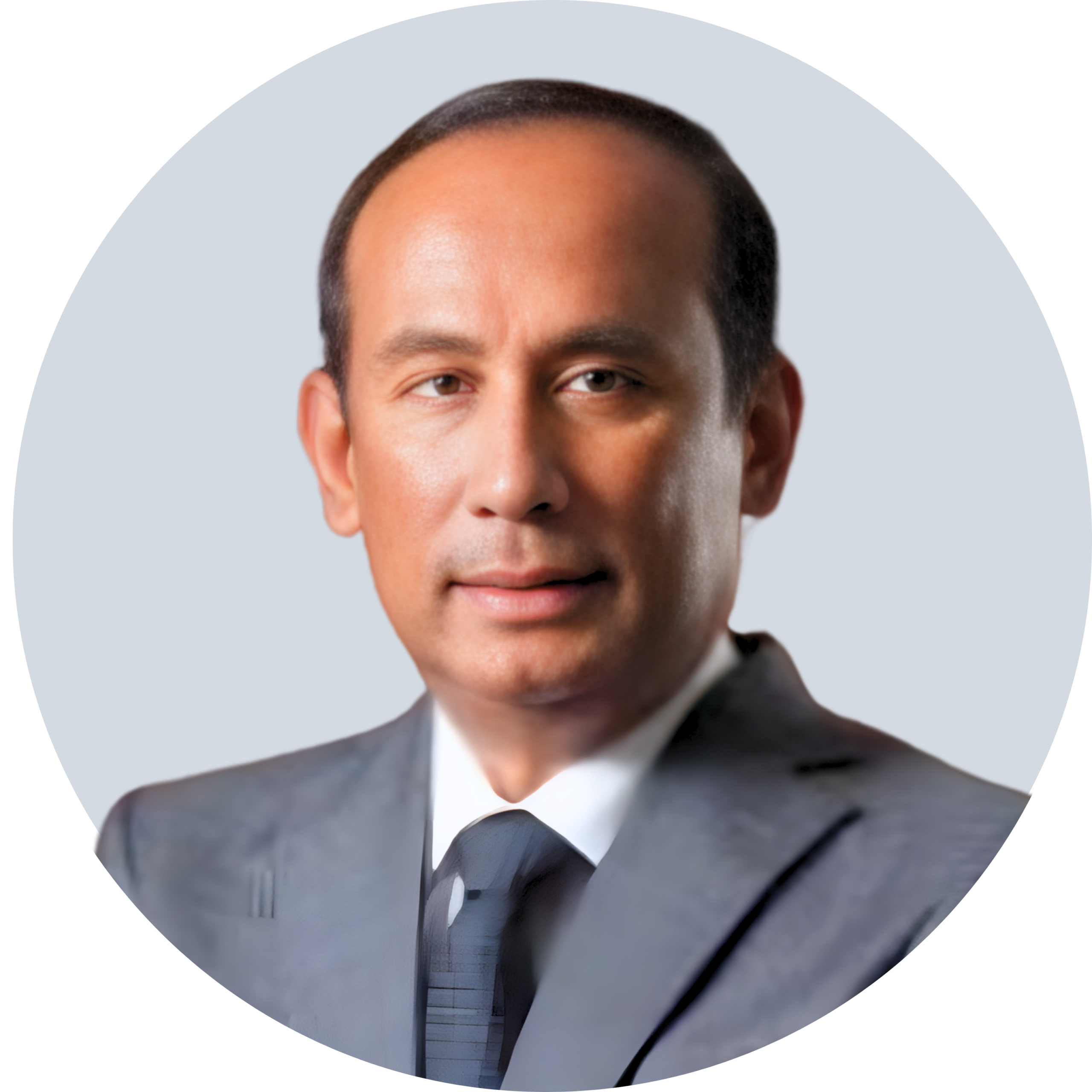
Satya Widya Yudha is a member of the National Energy Council of the Republic of Indonesia. He served as Vice Chairman of Commission I of the Indonesian House of Representatives overseeing defense, foreign affairs, communication, informatics and intelligence and as Vice Chairman of Commission VII overseeing energy, mineral resources, environment, forestry, research and technology. He chairs the Green Economy and Alternative Energy Caucus (GEC) of the House of Representatives. Pak Satya holds a master’s in Oil & Gas Project Quality Management and a PhD in Energy & Power from Cranfield University in the U.K.
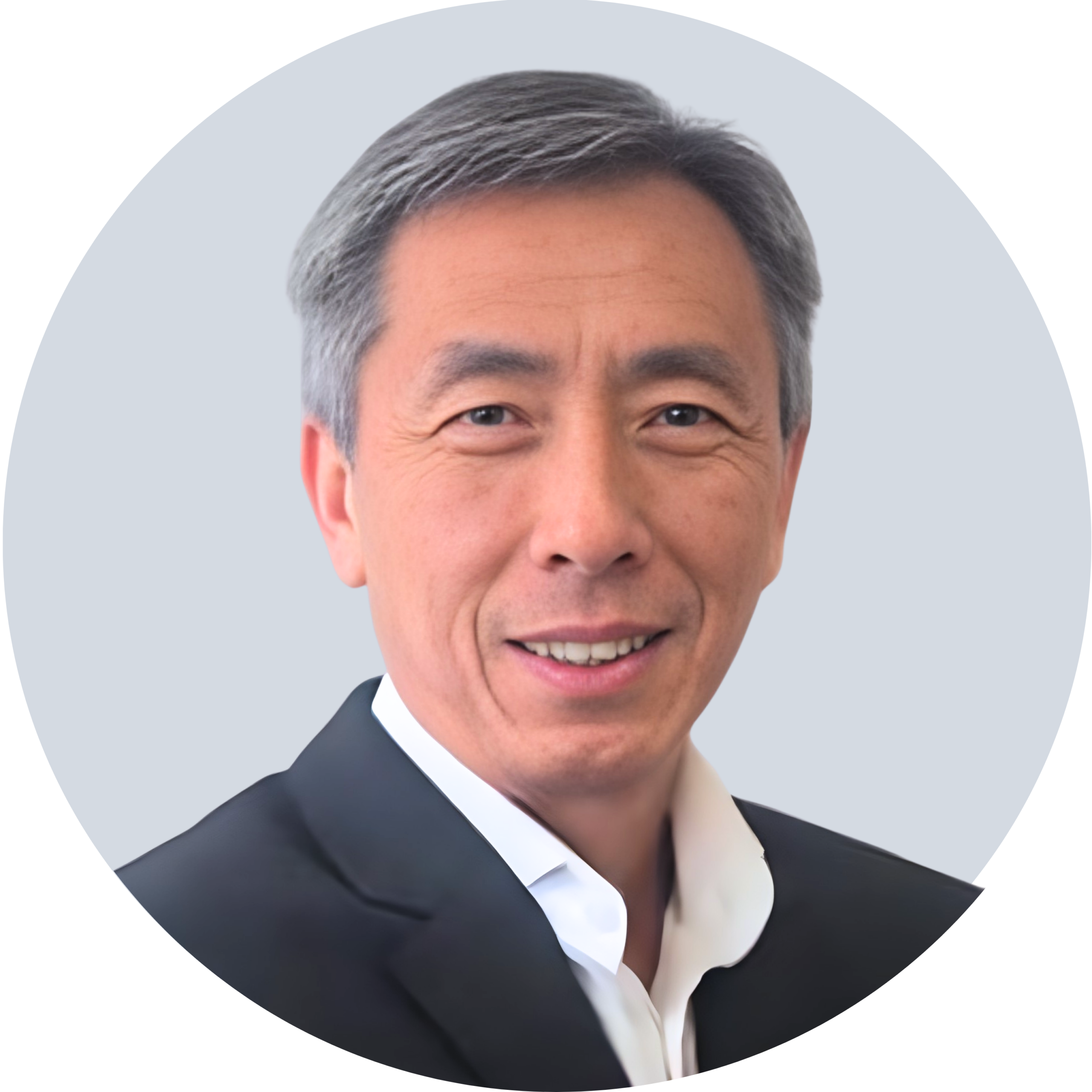
Heriyanto Irawan is a member of Indonesia’s National Economic Council, which advises President Prabowo on accelerating strategic and priority economic policies and programs. He is also an analyst at Verdhana Sekuritas Indonesia, which he co-founded. Previously, he was a fund manager with HSBC Asset Management in Hong Kong and at Jardine Fleming and he held senior roles Merrill Lynch and UBS. In 2004, he co-founded a joint venture with Deutsche Bank called Deutsche Verdhana Indonesia. He holds a bachelor’s degree in mathematics from City University, London, and a master’s degree in finance from City Business School, London.

Randi Bachtiar is the Institute for Energy Economics and Financial Analysis (IIEFA’s) Energy Finance Specialist for Indonesia. Before joining IEEFA, Randi worked with the USAID Sustainable Energy for Indonesia’s Advancing Resilience (SINAR) program, where he supported government stakeholders through financial modeling, tariff competitiveness analysis, and technical and strategic planning discussions to inform energy policy and decision-making. Randi holds a master’s degree in mechanical engineering from Columbia University and a bachelor’s degree from Institut Teknologi Bandung (ITB).
The United States-Indonesia Society's mission is strengthening mutual understanding between the United States and Indonesia, enhancing the bilateral relationship, and deepening the U.S.-Indonesia Comprehensive Strategic Partnership. We implement our mission through public discussions in each country and long-term bi-national programs in the education, legislative, and other sectors.
USINDO | 1616 P Street, NW, Suite 230 Washington DC, 20036, United States
The Plaza Tower, Floor 41, JL. M.H. Thamrin Kav 28 - 30, Jakarta, Indonesia